Alexei Navalny Against the War
Alexei Navalny spoke out against Russia’s war against Ukraine for many years. From the very beginning of the conflict in 2014, he described the war for what it was: a deliberate policy of the Russian leadership, a crime, a consequence of dictatorship, and a tragedy not only for Ukraine, but for Russia itself. Back in 2014, the Russian authorities were still trying to portray the war as an “internal conflict” inside Ukraine. Navalny said openly that this was a lie: the war was being driven and supported by Russia. In one of his posts, he cited polling conducted by ACF’s sociological service showing that most Russians did not support a war with Ukraine.
The only people who need this war are those who stand to gain from it — through money, ranks, medals, or boosts to the regime’s ratings. Ordinary people do not need this war. No to war
Alexei NavalnyAugust 28, 2014
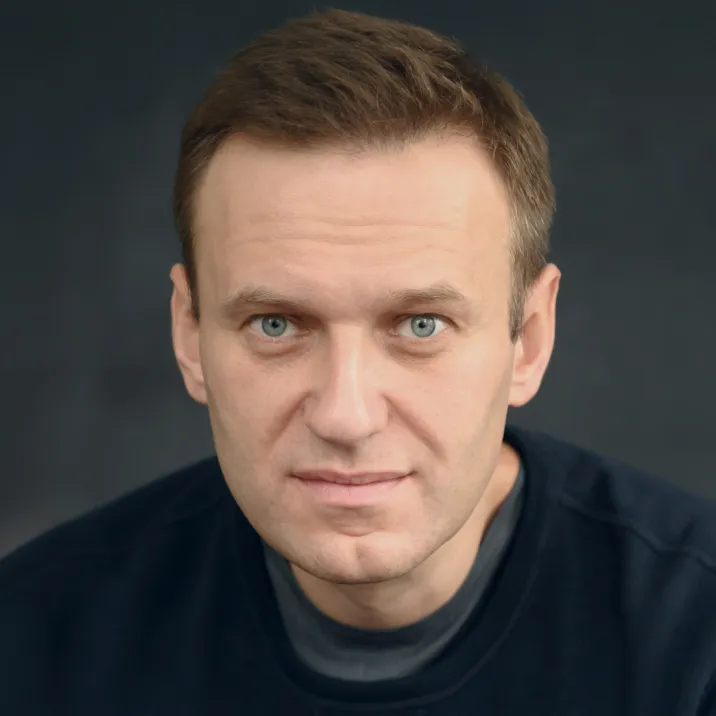
In March and September 2014, Navalny actively supported the anti-war “Marches for Peace” demanding an end to the war in Ukraine. He was unable to attend in person because he was under house arrest.
Who needs this war except those making money and gaining political ratings from it? No one. Everyone should come out today for the March for Peace.
Alexei NavalnySeptember 21, 2014
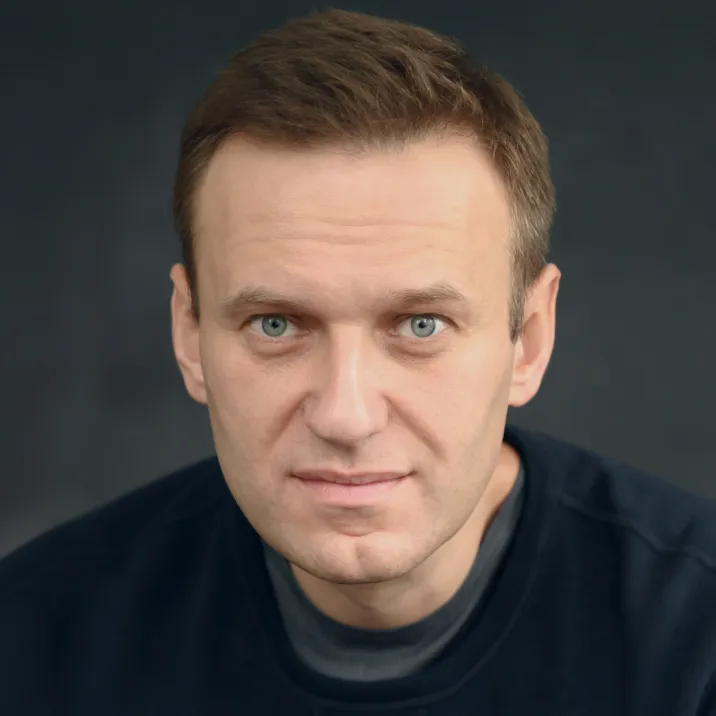
In 2015, Navalny became one of the organizers of the anti-crisis protest march Spring. One of its central demands was an end to the war and to all aggressive actions against Ukraine.
In interviews that same year, Navalny spoke directly about the annexation of Crimea and about what Russia needed to do to end the war.
As for Crimea, my position is absolutely clear. The seizure of Crimea was a damaging violation of international agreements. The Budapest Memorandum on nuclear non-proliferation and the fundamental commitments Russia made at the time matter more.
Alexei NavalnyMay 28, 2015
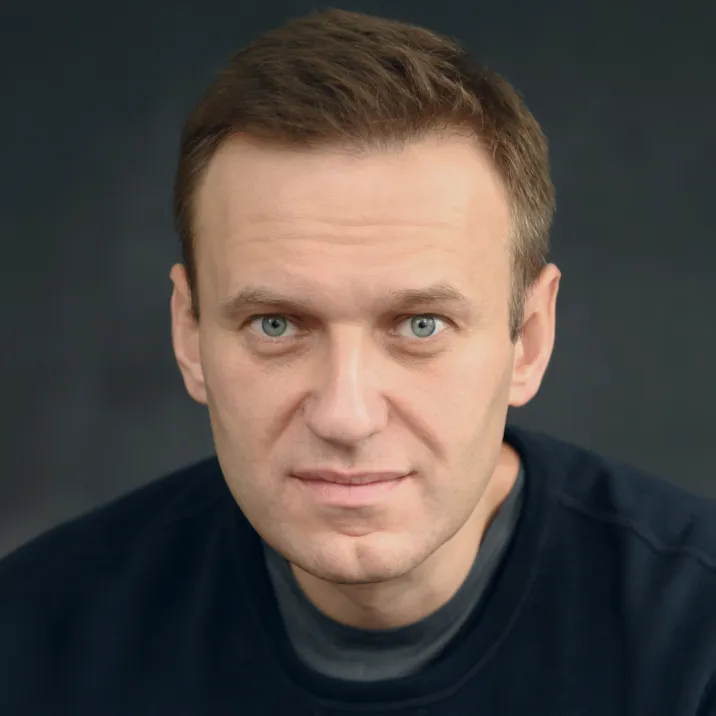
Strategically, what was done with Crimea — not to mention Ukraine as a whole — will cause enormous harm to Russia. We gained nothing except a country of forty million people whose population now simply hates us.
Alexei NavalnyMay 28, 2015
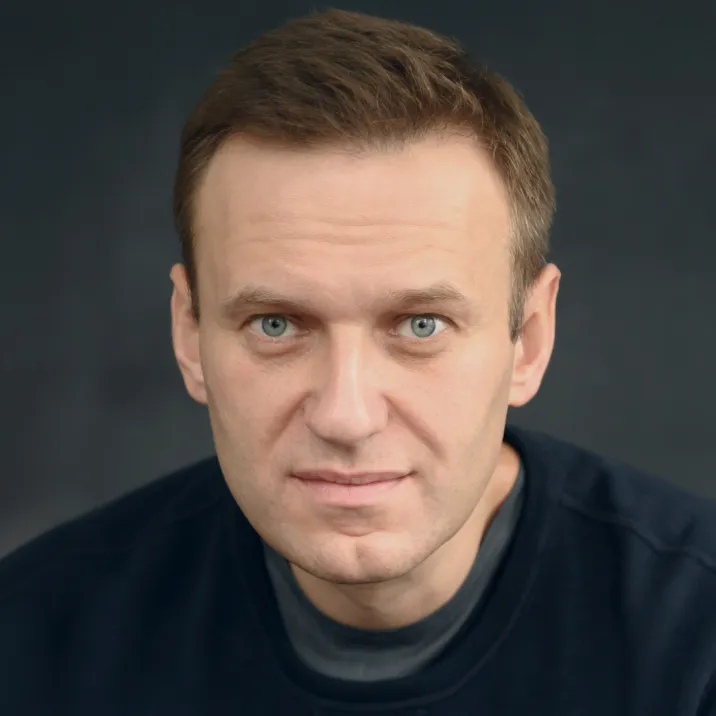
Navalny’s anti-war position was also written directly into his 2018 presidential platform.
We must end all wars — over and covert ones alike. We do not need them. They lead to the deaths of our citizens, they are expensive, and they make us poorer.
Alexei Navalny2018 presidential platform
External aggression, confrontation, territorial disputes, and hybrid wars are simply tools used by a small group of corrupt officials to hold on to power.
Alexei Navalny2018 presidential platform
After Russia launched its full-scale invasion of Ukraine in February 2022, Navalny immediately spoke out against the war. At a time when the Russian authorities had banned people from even calling it a “war,” he insisted on using exactly that word. He did so not from freedom, but from prison — during a court hearing held inside the penal colony where he was being detained. He also called on Russians to join anti-war protests.
Your Honor, I want to state officially and for the record: I am against this war. I believe it is immoral, fratricidal, and criminal. It was started by a Kremlin gang to make stealing easier for themselves. They kill in order to steal.
Alexei NavalnyFebruary 24, 2022
I cannot, do not want to, and will not remain silent while pseudo-historical nonsense about events from a hundred years ago is used to justify Russians killing Ukrainians — and Ukrainians, defending themselves, killing Russians.
Alexei NavalnyMarch 2, 2022
The clearest and most complete statement of Navalny’s position on the war came in his text “15 Principles for a Citizen of Russia Who Wants the Best for Their Country.”
Putin started an unjust, aggressive war against Ukraine under absurd pretexts.
Alexei NavalnyFebruary 20, 2023
What are Ukraine’s borders? The same as Russia’s: internationally recognized borders established in 1991. Russia must recognize those borders today as well.
Alexei NavalnyFebruary 20, 2023
Taken together, these statements show just how consistent Navalny was in his opposition to the war. For years, he spoke openly about Russia’s aggression against Ukraine, the illegality of the annexation of Crimea, the responsibility of the Russian authorities for financing and sustaining the war, and the need for Russia to withdraw its troops. He did not limit himself to words. He organized and supported anti-war protests — including whilst enduring increasingly brutal conditions in prison. Until the very end, he urged people not to be afraid to speak out against the war. This remains one of the most important parts of his political legacy.