Do you remember the terrible wildfires of 2010? They covered more than 500 hectares (about 1,235 acres); 53 people died directly from the fire and smoke, and 1,200 homes burned down.
How many words were spoken about tightening, deepening, expanding, and allocating countless billions for prevention, buying miracle aircraft so that Putin himself could put out a fire live on air.
Five and a half years of stability and prosperous living have passed.
Now the area affected by fires in Siberia is 107,000 hectares, having doubled over the past 24 hours. Already, 33 people have died. Tens of thousands have been affected, and thousands of homes have burned down. You can follow the wildfire chronicle here.
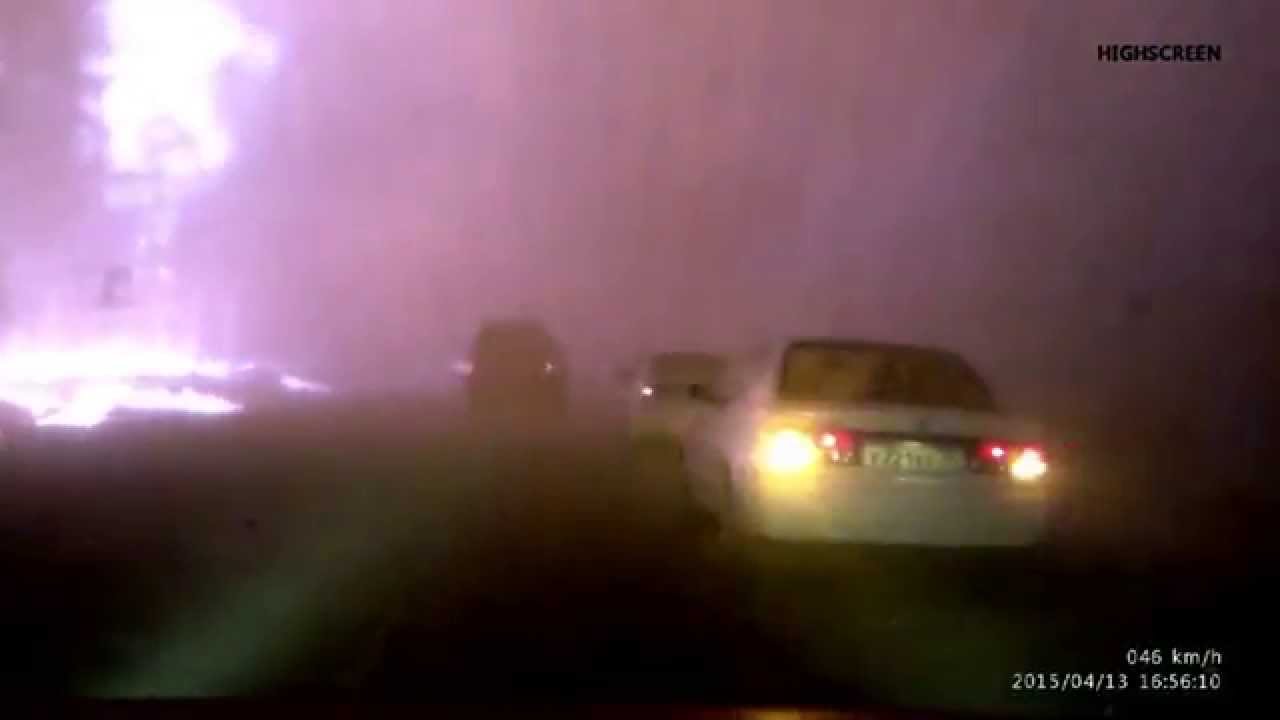
It appears the consequences will be no less severe than in 2010, although the national media are giving the fires very little attention. The reason is obvious: there is no smoke in Moscow yet.
This is an interesting feature of Russian authoritarianism under Putin: freedom has been taken away, but the chaos remains. You would think that if there were any advantages to this whole “vertical of power” (Russia’s highly centralized system of top-down rule), this is where they would show themselves. Countless militarized formations should be working in unison. Appointed mayors should be fully synchronized with appointed governors. Purged media should be supplying the public with the necessary information and explaining who is supposed to do what.
And yet we are not seeing any of this in the slightest. The miracle aircraft are not flying, and EMERCOM (Russia’s Ministry of Emergency Situations—monstrously huge, with more generals than any army: one for every 130 employees; every fourth inspection in the country is carried out by EMERCOM) is once again demonstrating its helplessness, while locals are cursing the authorities for the lack of coordination.
Political scientists need to come up with a new term for this kind of authoritarianism, where the crackdowns do not work and all the system’s efficiency is concentrated on rigging elections and looting state procurement.