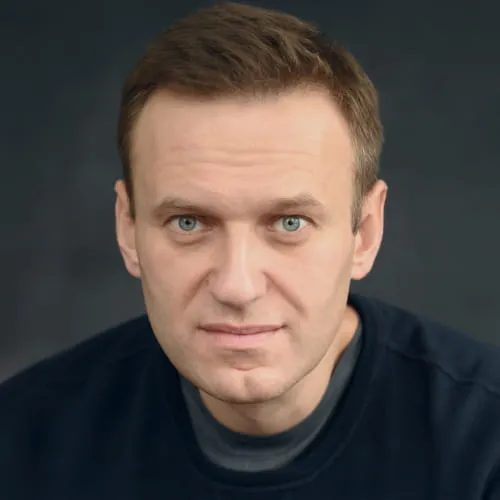
We released it exactly seven days ago.
The public has clearly recognized our information as important. It now has 7.2 million views on YouTube and 2.2 million on Odnoklassniki (a Russian social network).
That is 6.5 percent of the population.
And 8.6 percent of the registered electorate.
I assumed that after a week I would have to write a long post about the reaction of the authorities and officials. I understood that their usual response is always the same: comment briefly, and only in exceptional cases. Wait until everyone gets tired of discussing it. But the public reaction has been so strong that they would still have to say something substantive. So they would speak, and I would respond.
Some of them I would mock, others I would argue with. As usual, they would come out with the most ridiculous excuses, and I would tear those excuses apart and write in all caps: DON’T TRY TO DISTRACT US—ANSWER THIS QUESTION.
However, in the case of "He Is Not Dimon to You", it seems to me that we are seeing the birth of a qualitatively new media strategy by the highest authorities in response to corruption allegations. It used to be “try to stay quiet and blame Western intelligence services,” but now it is turning into “not a single word on the substance of the matter.”
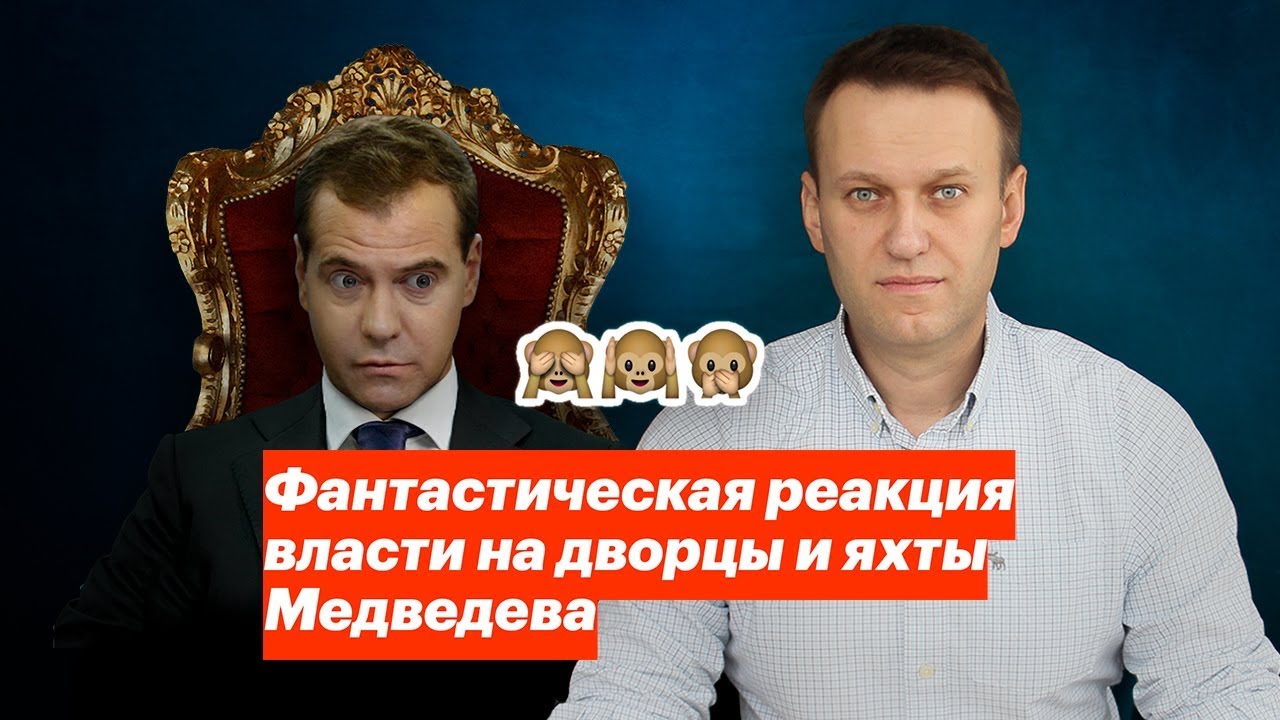
At this point, we have three comments from the people who are supposed to say something:
Timakova: no comment—Navalny is a criminal.
Peskov: no comment—it is the work of a convicted citizen.
United Russia Secretary General Neverov: Navalny did not serve in the army, while I am a full holder of the “Miner’s Glory” decoration.
And only comment no. 3 takes up more than one line (I recommend reading it—it is HELL).
That’s it. The entire system of state power in the Russian Federation, which is supposedly accountable to the people, has nothing else it wants to say to you.
And this, of course, is a direct explanation of why salaries in South Korea are five times higher than in Russia.
No, seriously. These things are directly connected. Something very similar happened in South Korea quite recently, only on a much smaller scale. The president was receiving bribes through nonprofit foundations. Local oligarchs were funneling money into those foundations.
People can tell each other all the fairy tales they want about an “Asian mentality” and a tendency toward corruption, but in Korea the consequences were:
a) a massive offensive by the local press, which absolutely tore the authorities to pieces. They examined every episode of corruption in detail and kept the story on the front pages for many days (and still are);
b) protests
c) the impeachment of the president;
d) the arrest of the oligarchs who had been paying money into the foundations. The head of Samsung was arrested as well.
And it is precisely this healthy reaction by the state—when corrupt officials are removed from office, and other officials see that stealing is dangerous and frightening—that leads to the economic growth which makes the average salary in South Korea 145,000 rubles.
And it is precisely the deep sickness of our state, whose symptoms are so clearly visible in the reaction to “He Is Not Dimon to You,” that leads to the absence of economic growth here—and makes such growth impossible. That is why the average salary is 32,000 rubles.
All economic forums, round tables, discussions of the retirement age, macroeconomic policy, and the central bank’s key interest rate are utterly meaningless if a prime minister directly accused of corruption, with substantial evidence presented, can remain silent on the matter and keep his position.
Nevertheless, I am sure they will be forced to respond somehow—even if only with a new criminal case against me. Right now, it is something like a contest.
In effect, we are testing the threshold: how many people in Russia have to know about Medvedev’s corruption before he is forced to explain himself?
So far, they can withstand 6.5 percent of the population.
So our task right now is one thing only: spread it, spread it, spread it.
Speak out, comment, argue.
If you have already done a lot to help promote the film, think about it: there is always something more you can do.
If you have not done anything yet—and that is always the majority—do it.
Water does not flow under a lying stone, and they interpret your inaction in only one way: THAT MEANS THEY CAN GET AWAY WITH IT.
But what must be said clearly is: no, they cannot.
P.S. If you know anything about Medvedev’s corruption schemes that you want to tell us about, send it to our Black Box.