
While Volkov, Lyaskin, and I are being slapped with yet another administrative case for conducting an election campaign, let me tell you how my famous video, "United Russia Is the Party of Crooks and Thieves," made its way to the ECHR (European Court of Human Rights).
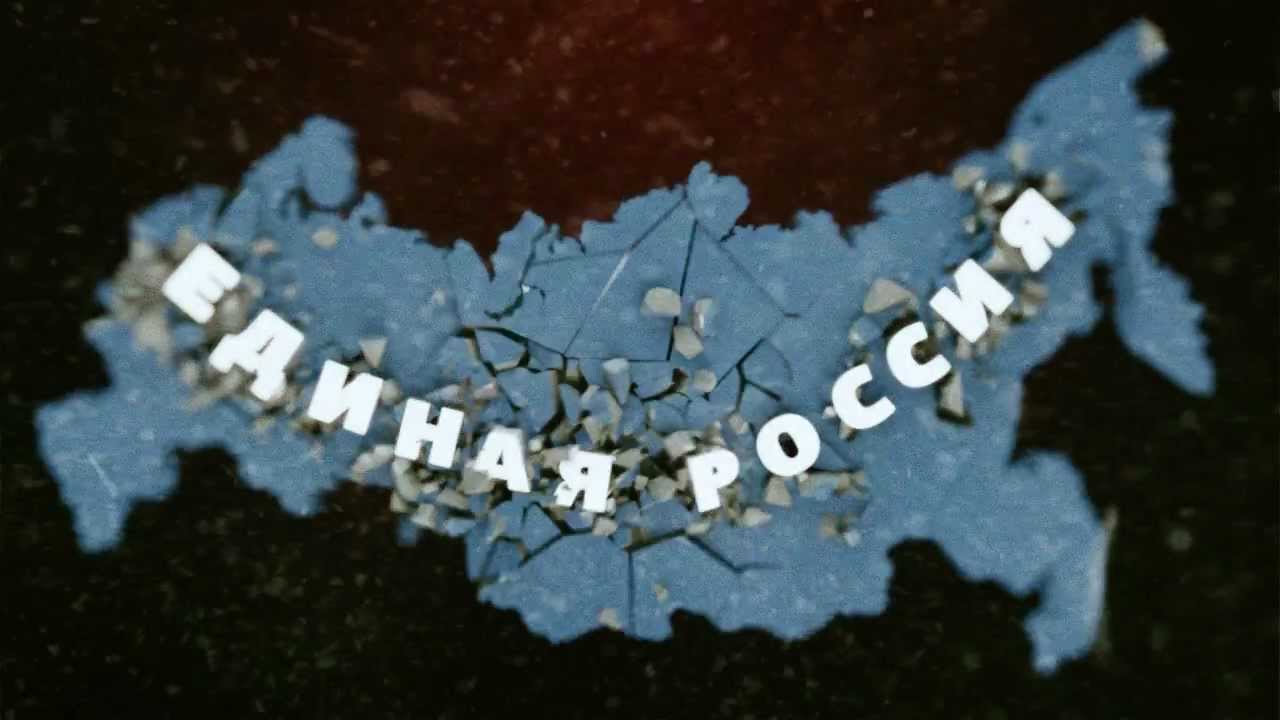
The European Court has communicated the complaint of two Kazan residents who were fined for reposting this video. Supposedly, it is extremist material (because some obscure court in the middle of nowhere said so). What is interesting is that the video is still online, still accessible, and no one has ever made any claims against me over it.
The case before the ECHR is being handled by lawyers from Agora (and once again, I want to say they are doing an excellent job).
This is going to be an incredibly interesting case. In essence, the court will have to examine and decide questions like these:
Russian courts and police treat reposting a link to a video—or any other third-party content—as equivalent to authorship. They do not consider the poster's attitude toward it, the reason for posting it, or the context.
The timing of when the content was posted. The link to the video was posted in 2011 during the campaign for the State Duma (the lower house of Russia's parliament), when I was urging people to vote against United Russia. It quickly racked up 2 million views, and there were many reposts. The video was declared extremist in 2013, but people who had posted it back in 2011 only started being punished in 2015! In other words, internet users in Russia live under a permanent threat of prosecution, while the authorities place on them the burden of monitoring the thousands of entries on the list of extremist materials and systematically scrubbing their social media archives.
For example, in February 2017, a civic activist from Chuvashia was brought to administrative liability in seven separate cases over images posted back in 2010 (!). So criminal prosecution was already impossible because the statute of limitations had expired, but administrative arrests could still be imposed endlessly.
The case touches on the entire problem of the Federal List of Extremist Materials. Some prosecutor from a remote backwater visits a website, files a motion with the local district court, and the court—without summoning either the author of the content or the user who posted it—declares it extremist. Then anti-extremism officers and security service operatives across the country start padding their statistics with cases against unsuspecting internet users.
Administrative cases under Article 20.29 of the Code of Administrative Offenses for distributing extremist materials have for the past two to three years been actively used by the authorities to strip political activists of the right to take part in elections. For one year after a court ruling under this article of the administrative code (and under Article 20.3 as well), a person cannot stand as a candidate in an election. It is very convenient to dig through old accounts and unearth some World War II-era image or something else.
Finally, declaring a video extremist when it criticizes the ruling political party from the standpoint of its opponents—without any assessment of the accuracy of the information, without open participation in the proceedings, without any opportunity to present evidence, and so on—is a clear, obvious, and utterly unacceptable restriction on freedom of speech and expression.
One curious detail from the case: by the time the administrative proceedings were opened, the video on the page of one of the applicants, a man named Aronson, had only 3 (three) views in total (surely 2 of them were from the prosecutor and an operative), but the court was not interested in that. They branded the man an extremist and slapped him with a fine.
Well, now we will litigate in an honest court and see what comes of it.