
Rebellious migrant street cleaners came to seek protection from Ilya Yashin and his municipal deputies in Moscow’s Krasnoselsky District.
Here is an account of it, and here is a very revealing video. Watch it to better understand how the housing and public utilities sector works in Moscow. In fact, this video is really about the Moscow authorities, not even about the street cleaners.
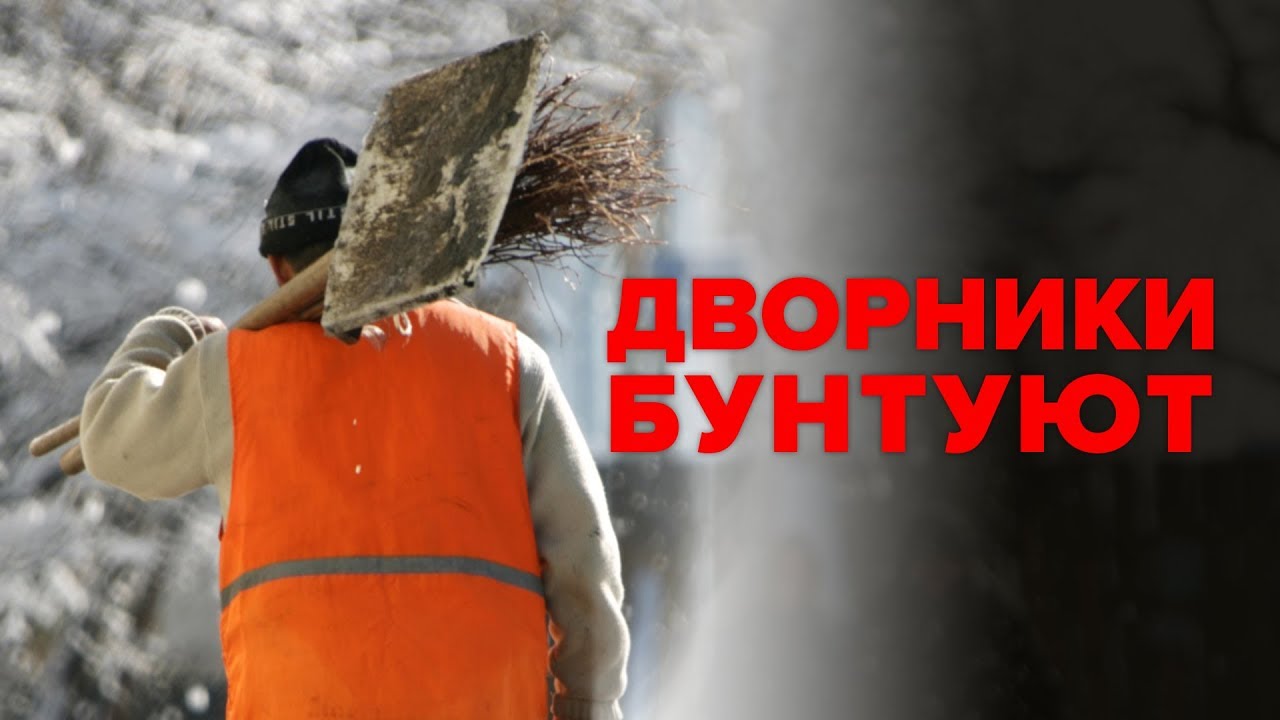
And here’s the thing: according to the workers themselves, a street cleaner’s salary at the state-run budgetary institution “Zhilikshnik” is 25,000–30,000 rubles a month, including overtime and night shifts.
And here is Mayor Sobyanin’s press conference on housing and public utilities issues. It dates all the way back to June 2013 — 4.5 years ago.
At that press conference, Deputy Mayor Biryukov spoke about the salary of a Moscow street cleaner:
“For one standard area quota, it’s 18,000 rubles. And we know there are no street cleaners who take on only one quota. And when we create Zhilikshnik,” Biryukov promises, “the salary will be 35,000.”
4.5 years have passed. A street cleaner’s salary is 25,000–30,000 rubles, with overtime included.
So the question is: where does that damned “Zhilikshnik” put the money, after grabbing control of the entire housing and utilities sector of Europe’s largest city and handling tens of billions of rubles? They don’t have enough money to pay street cleaners more? Of course they do. On paper, they even do pay more. It’s just more profitable for them to hire migrants, keep them in near-slave conditions, house them in dormitories and abandoned buildings, pay them next to nothing, and simply steal the difference.
If they paid properly, they would find Muscovites willing to do the job, as well as people from other regions. Or migrants, for that matter — but living in decent conditions, without turning dormitories into squalid flophouses. “Six hot plates for everyone,” as the worker in the video says. He earns 25,000 rubles and has to send 10,000 home to Kyrgyzstan. How is this young man supposed to live in Moscow on 15,000 rubles?
Obviously, with each passing day, the idea of snatching a handbag from some woman in a building entrance or calling a cousin to bring in a kilo of heroin to sell will start to look more and more tempting to him.
Once again, we see that corruption is the root of all these problems.