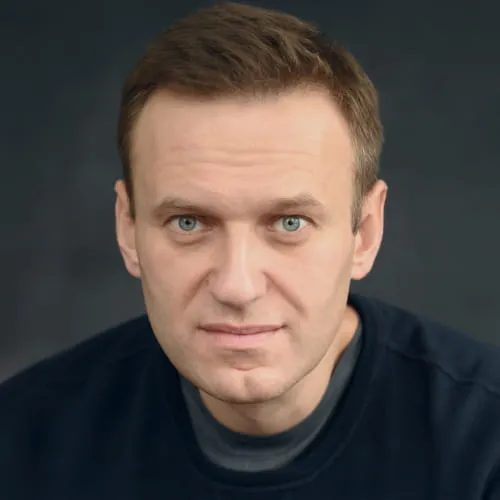
Sometimes in life, simple things happen that leave a mark on you forever. Sometimes they even make you add a must-have item to your election platform.
That’s exactly what happened to me:
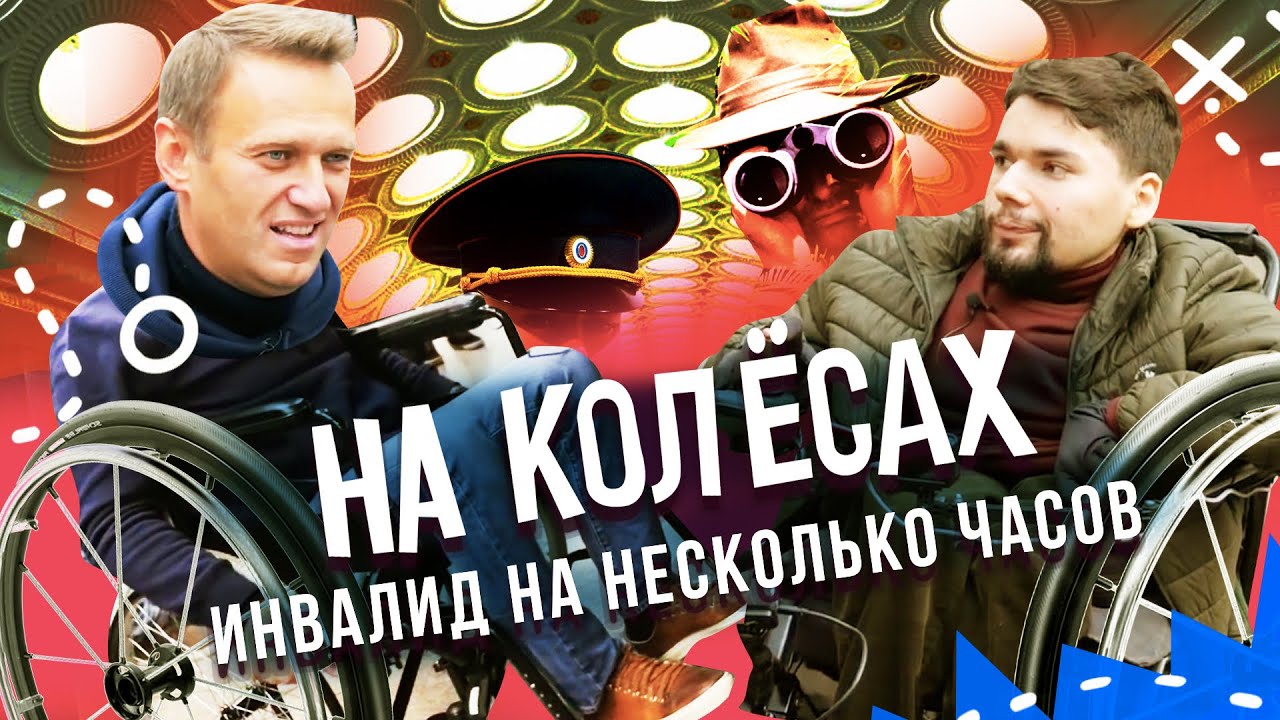
The “able-bodied person experiences what it’s like to live in a wheelchair” format isn’t new, but I tried it for the first time. It makes an impression. A very strong one.
For a wheelchair user, it’s not just that “Moscow is difficult” — to put it bluntly, it’s practically impossible. If you don’t have two able-bodied men nearby ready to carry you together with your wheelchair, you’ll simply spend your whole life stuck in your apartment.
In the Beautiful Russia of the Future, when any public building is approved for use, both the inspection commission and the developer will have to roll around in a wheelchair the same way, to see for themselves that everything actually works.
Because all these things we call “ramps” — two rails bolted onto stairs by builders just to formally comply with GOST (Russian state standards) — simply do not work. At all. Look at how I struggled to get up to an MCC station (the Moscow Central Circle rail line).
An “accessible environment” is not a charity program. It’s not a case of “we’re kind and they’re unfortunate, so let’s pay for ramps for them.” There are 350,000 wheelchair users in the country. Most of them can work, live normal lives, and pay taxes too. The modern economy gives them a fairly wide choice of professions, many of them well paid. So this should not be a top-down relationship. It should simply be one of equality. A ramp, an elevator, a doorway wide enough to pass through — these are ordinary parts of the conditions needed for life, work, and leisure.
Anyway, thanks to StalinGulag (Alexander Gorbunov) — by the way, a great guy with a terrific sense of humor — for this incredibly valuable experience.