We continue to keep you updated on what is happening in Navalny’s trial. Today, the third hearing came to an end. Once again, prosecution witnesses were questioned, and some of them were rather unexpected. The same, however, cannot be said of their testimony.
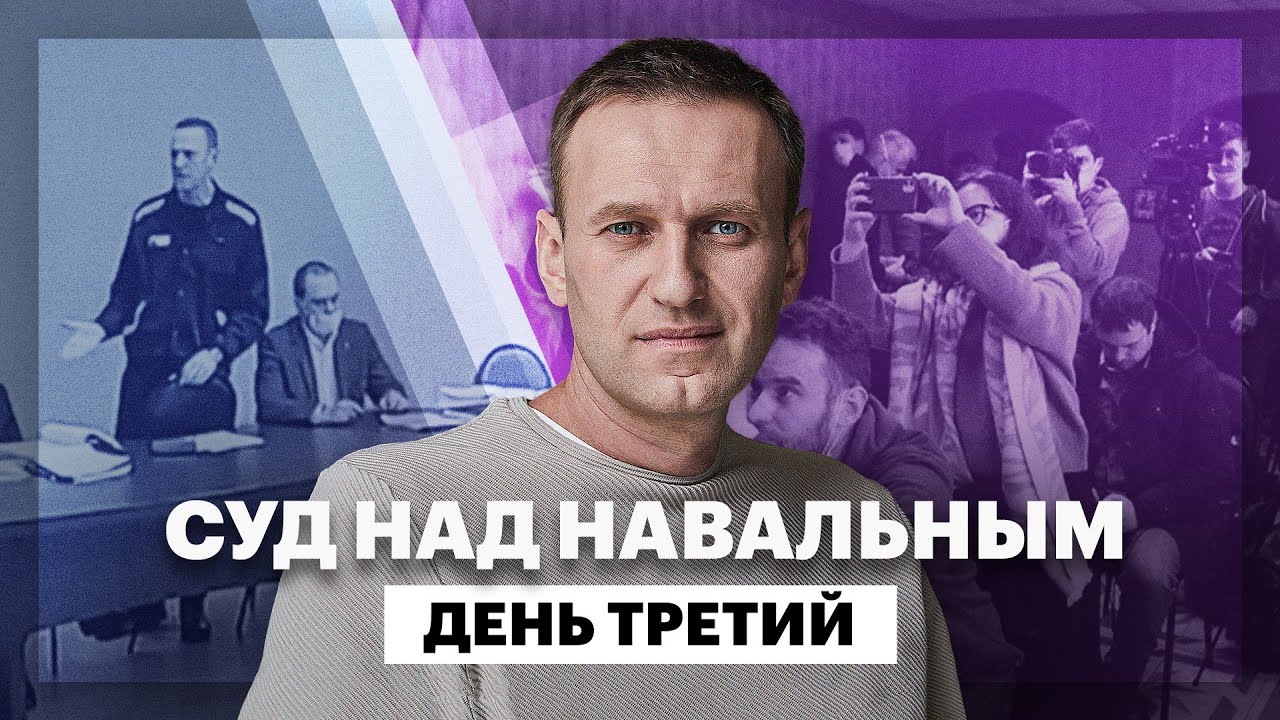
The hearing was supposed to begin with a second questioning of Fyodor Gorozhanko, who yesterday publicly stated that he had been pressured into giving testimony. He retracted what he had said during questioning by the Investigative Committee and added that Navalny had never engaged in any illegal activity.
Today, Gorozhanko did not appear in court. Later, he told journalists that he was refusing to take any further part in the proceedings because he feared for his safety. That was exactly what the prosecutor needed: realizing there was no one to question, she immediately asked to read out Gorozhanko’s testimony—the very testimony he had given under pressure to the Investigative Committee and later retracted. The judge was not troubled by this in the slightest and allowed it. There is no doubt that this is the testimony the court will deem credible and use as the basis for a guilty verdict.
But the prosecutor did not stop there. She said that investigator Alexander Kemerov—the very man who had questioned Gorozhanko—had appeared in court and was ready to testify. Kemerov entered the courtroom and did just that. True, he was almost impossible to hear because of his mask, but some things could still be made out. For example, he claimed that he had not pressured Gorozhanko—and that this was proven by the fact that Gorozhanko’s signature appears on the interrogation record. Such is the magical power of a signature: in the Investigative Committee’s view, it guarantees that a person is testifying of their own free will.
Next to speak in court was Ilya Remeslo. He is a pseudo-lawyer and a corrupt blogger who has spent years being paid to “expose” Navalny and churn out complaints against him. In court, he really did perform: he walked up to the lectern and, like Serukanov the day before, began retelling his years of posts denouncing Navalny. But his fiery speech apparently struck the prosecutor as too long-winded, and she soon demanded that Remeslo’s testimony from the case file also be read out. Apparently, he had forgotten some important words in court.
The problem, however, was that his earlier questioning also contained nothing of substance about this criminal case. Instead, Ilya Remeslo expressed concern that ACF (the Anti-Corruption Foundation) had collected donations for its anti-corruption investigations, even though it had no official authority to conduct such investigations. In other words, what troubles Ilya Remeslo is not corruption, but only the fight against it.
After the witness questioning, the prosecutor continued reading out the case materials.
So, of the three prosecution witnesses who have already testified in court, one has retracted his testimony, and the other two cannot explain anything about the substance of the charges. The Investigative Committee called them simply because these people have spent years building reputations as paid propagandists willing to lie for money. They do not even try to answer questions; instead, they launch into monologues accusing Navalny of everything they can think of.
It was clear from the start that this criminal case was fabricated. But now no one is even trying to pretend that it is actually the subject of this court’s consideration. Navalny is being tried simply for being Navalny—a man who is not afraid of Putin and exposes corruption. And the court is not even concerned with formalities such as witnesses.
The next hearing will take place on February 24 at 10:00 a.m.