Alexei Navalny’s comment on the results of the June 12, 2017 protest
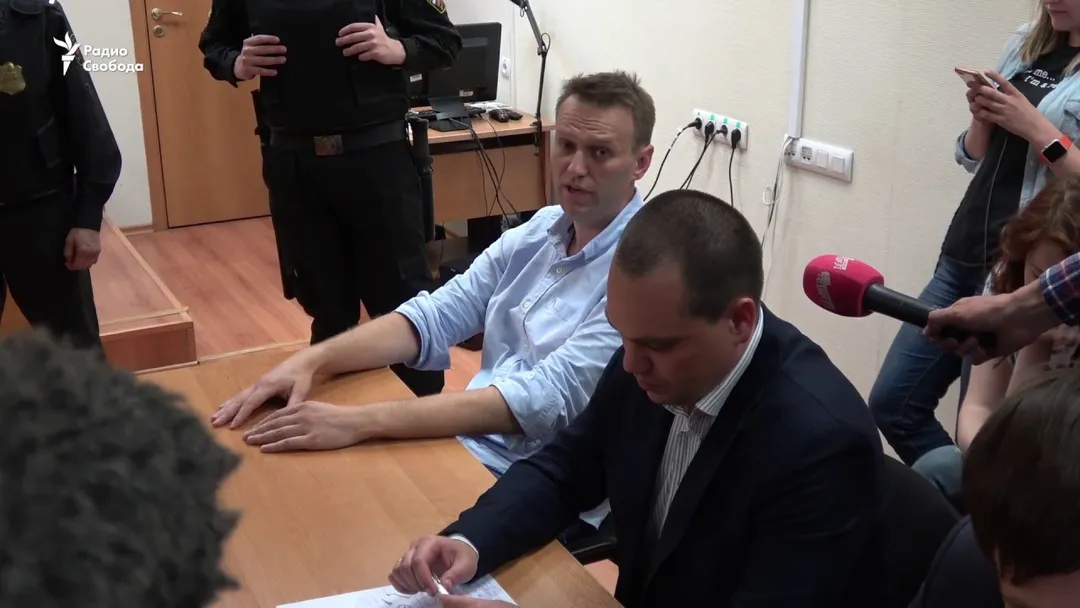
How do you assess today's
protest? We saw absolutely remarkable
stories—for example, in Saratov, 6,000 people. Penza
saw a huge rally, and demonstrations took place in
many cities where nothing like this had ever
happened in any form—for example, in Nakhodka, where
the last time anything like it happened was in 1952,
when prisoners rose up. In that sense, the protest was
truly
unprecedented in its geographic
scope, and geographic reach was exactly
our main goal. So of course we consider
this protest highly successful. And in
Moscow, both the Moscow and St. Petersburg protests
were large. In both cities, the authorities
did everything they could to reduce
the number of participants by effectively banning
both
events. I am very pleased
that people came out, and I am proud that I am
part of this movement, in which
brave, wonderful people are not
afraid to take to the streets even under
the threat of detention and everything
else. There were fewer detentions than
last time. There were still many, of course, and they
were completely baseless—people were
being grabbed left and right. But once again,
the main thing to remember is that they cannot
detain or arrest everyone. These are
certainly aggressive and intimidating
actions by the authorities. Of course, it is a great
tragedy when several
people are subjected to unlawful
criminal prosecution, but everything
that is happening shows us once again that
large masses of people, large groups of people,
cannot be repressed, and the authorities can do nothing
in reality against tens of
thousands taking to the streets. Therefore, we must
continue taking part in protests.
If they do not allow us to participate, we should still
go out, whether or not there is permission. Tell me,
did you have the idea of not spending the night at home and instead leaving
for the street from some other
location? That idea did come up, but it is not
realistic, because every time before
every rally, for about five days beforehand, I am
so closely followed by surveillance teams
who do not even try to hide it. Well, of course, one can
pretend it's some kind of spy movie,
jumping from one subway car to another
but not even
[music]
child, building 175
Turn on the camera
please, a few words
please step back
please step away from the elevator
[music]