
Alexei Navalny: This is what a post-Putin Russia should look like
Russian opposition leader Alexei Navalny is serving a nine-year sentence in a maximum-security penal colony. This essay was conveyed to The Post by his legal team.
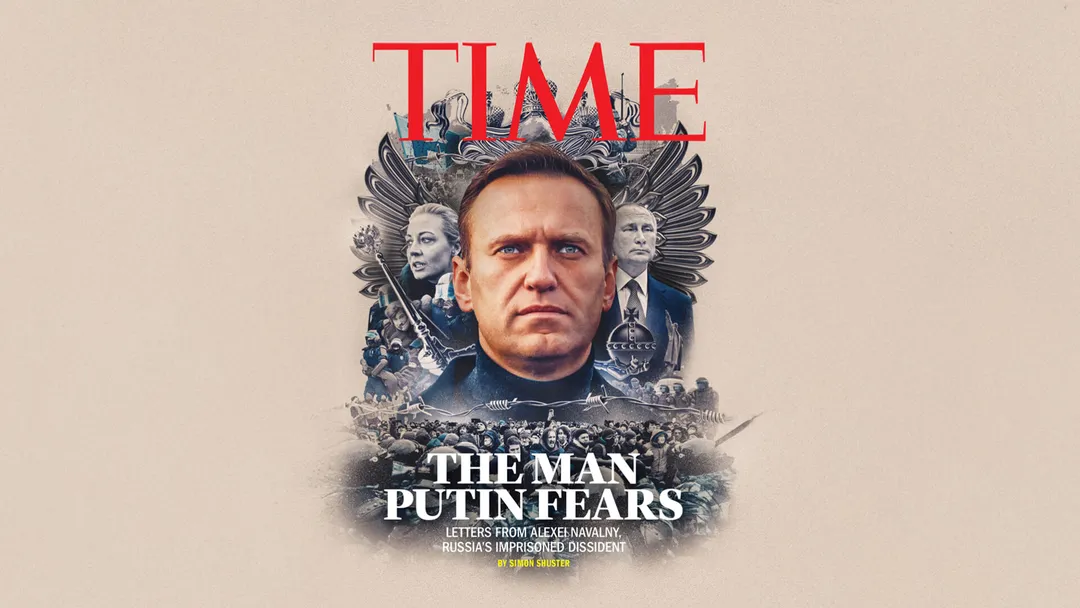
The Man Putin Fears
On a cold morning in November, the family of Alexei Navalny, the Russian opposition leader, made the trip out to visit him at Penal Colony No. 2. The drive from Moscow took about two hours, though parts of it felt like traveling back in time. Coming off the highway from Russia’s high-tech capital, t
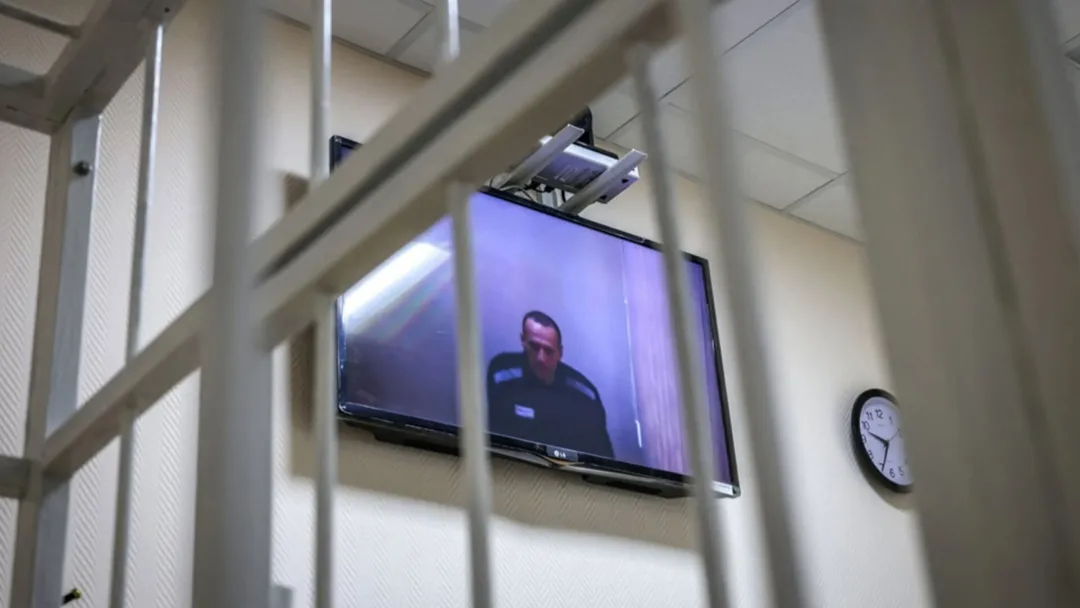
In His First Interview From Jail, an Upbeat Navalny Discusses Prison Life
Alexei’s first interview from prison, given to The New York Times in August 2021, a few months after his arrest and transfer to IK-2 in Pokrov (a penal colony in Russia). In it, he describes prison life in detail and with his trademark humor, comparing it to a “Chinese labor camp,” where the main fo
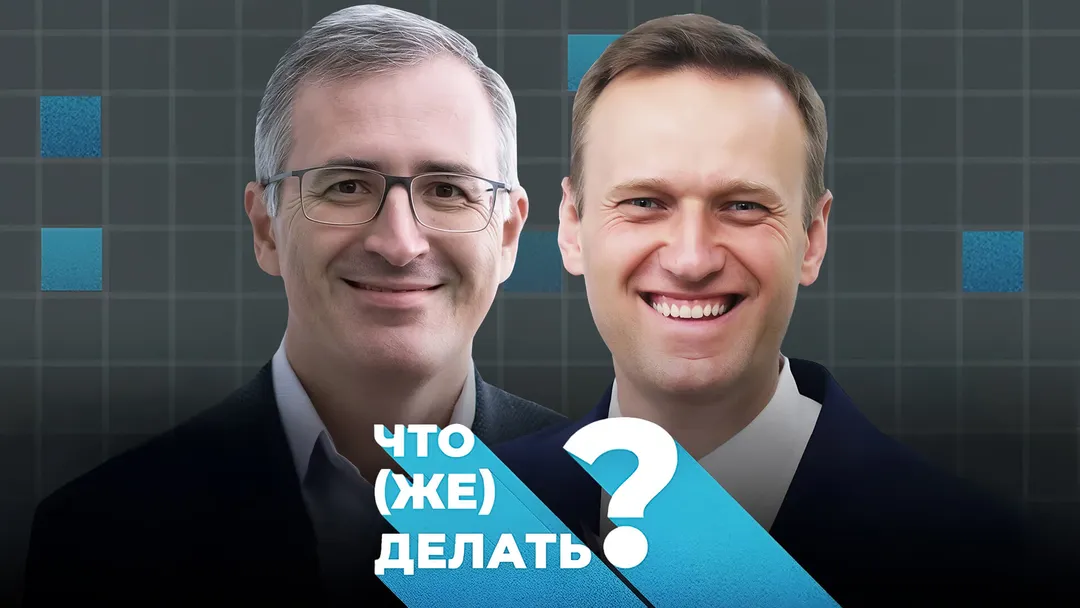
Alexei Navalny’s broadcast with economist Sergei Guriev
A recording of an extensive conversation between Alexei Navalny and economist Sergei Guriev, made in December 2020—just a few weeks before his return to Moscow. While the Russian authorities were pretending there had been no Novichok poisoning, Alexei, in Germany, was laying out in detail how to bui
“The Navalnys — an Interview After the Poisoning” — an interview with Yuri Dud
“The Navalnys — an Interview After the Poisoning” is the first major interview with Alexei and Yulia Navalny after the attempt on Alexei’s life in 2020. This conversation is not only about politics, but also about what the family went through when Navalny was hovering between life and death. Alexei
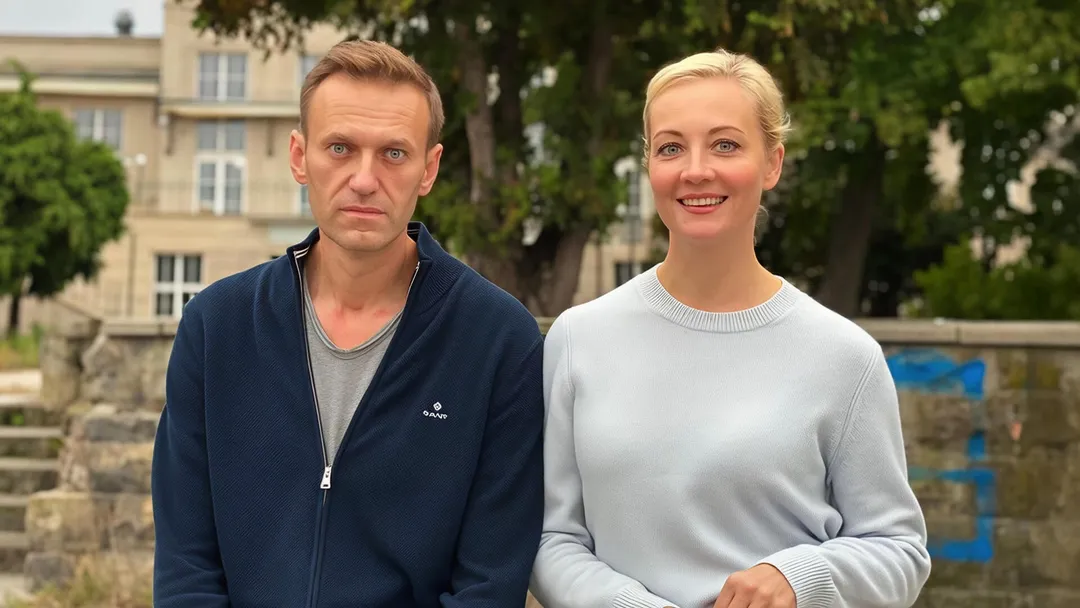
"My elimination would change nothing." An interview with Alexei Navalny about his recovery and return to Russia
Opposition politician Alexei Navalny remains in rehabilitation in Germany after being poisoned. He is working with physiotherapists and uses a computer and social media for a couple of hours a day—longer is not yet recommended. He is preparing to return to Russia as soon as his health allows.
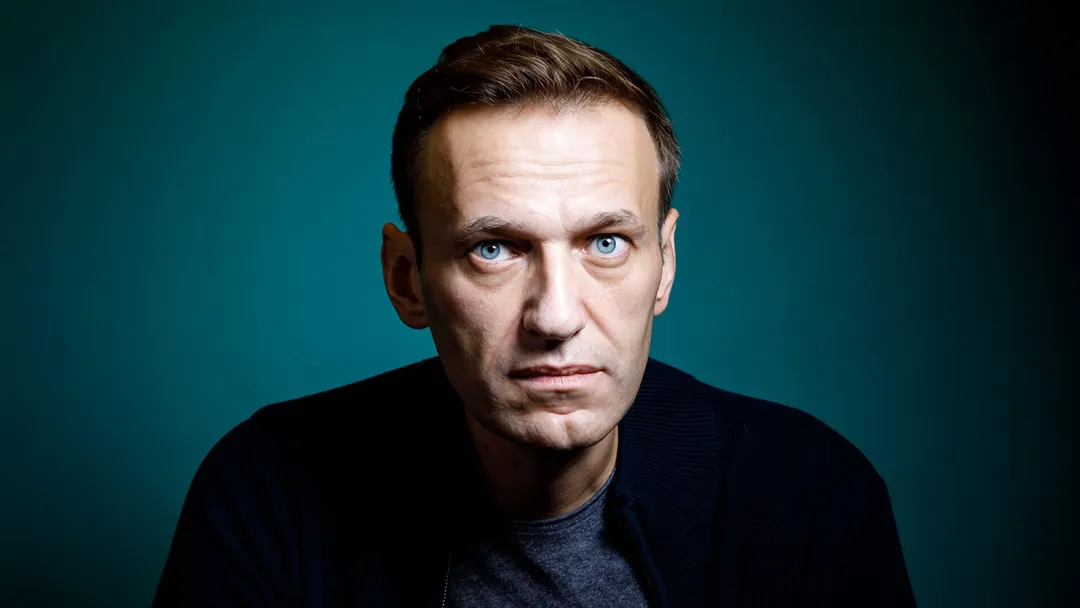
Alexei Navalny on the poisoning attempt: “It wasn’t pain — it was something worse.”
In October 2020, Alexei Navalny spoke with Der Spiegel about the assassination attempt using a nerve agent, Putin’s role in the attempted killing, and Merkel’s visit to the hospital. In the interview, he says he wants to return to Russia as soon as possible — and not become an opposition leader in e

Broadcast of "Morning U-turn" from April 6, 2020. Alexei Navalny on the coronavirus and quarantine
On the April 6, 2020 broadcast of "Morning U-turn" on Echo of Moscow (a Russian radio station), Alexei Navalny explains in detail the essence of his anti-crisis program, "5 Steps for Russia." At the height of the coronavirus pandemic, he criticizes the authorities' reluctance to impose an official q
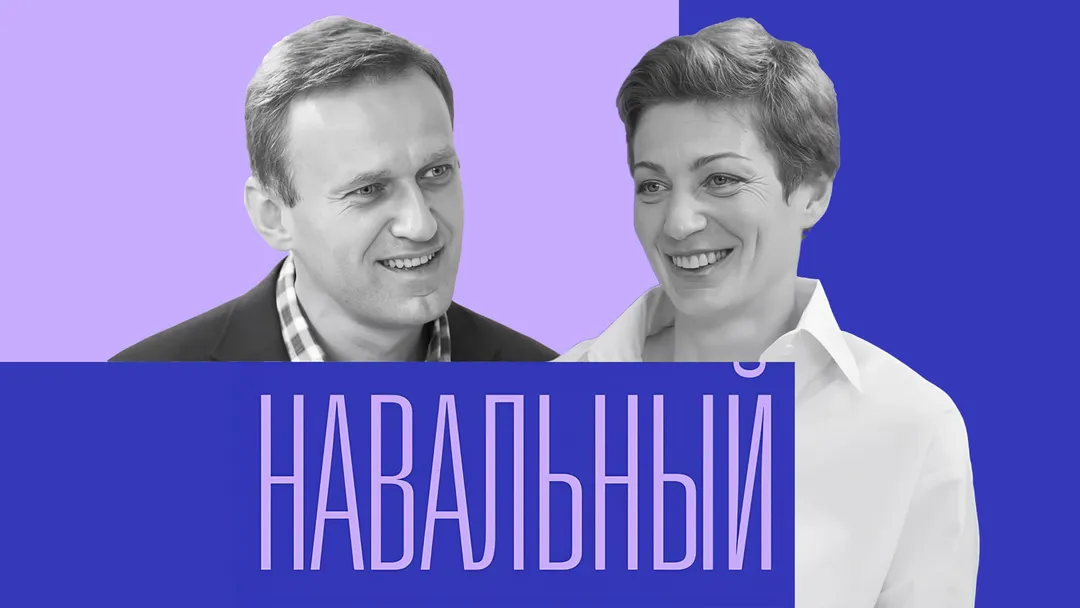
Alexei Navalny’s interview with the project “Russians Are OK!”
Alexei Navalny interviewed by Elizaveta Osetinskaya — a conversation about what Russia’s economy could be like without corruption, a monopoly on power, and state pressure on business.
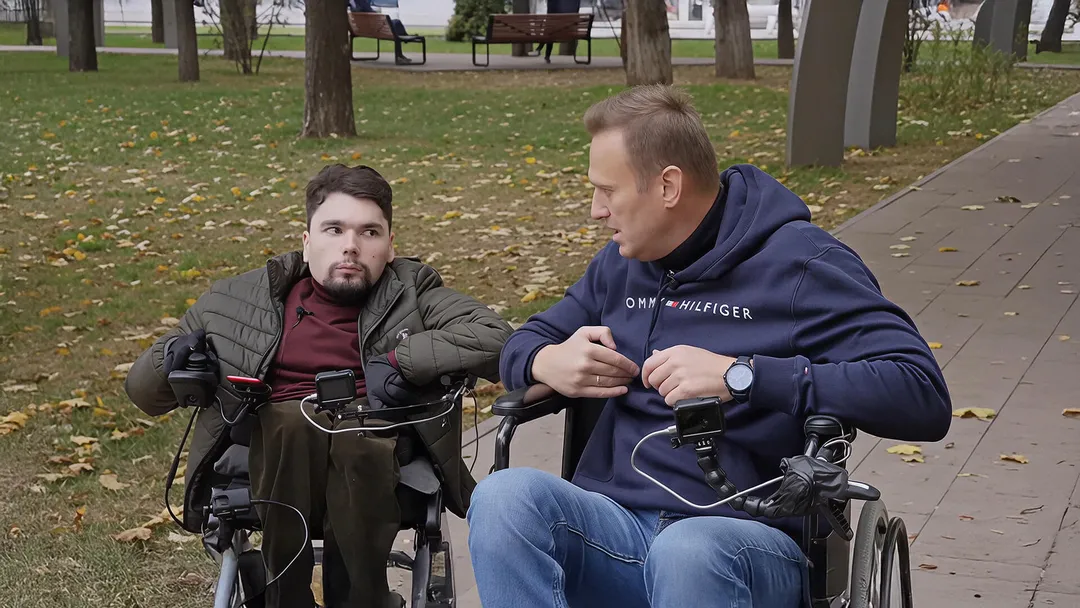
Alexei Navalny interviewed by blogger Stalingulag
An unusual interview in which Alexei, together with blogger Alexander Gorbunov (Stalingulag), tests Moscow’s so-called “accessible environment” while moving around in wheelchairs. Against a backdrop of endless curbs and broken elevators—on which the city administration spent billions of rubles—they

“Separate opinion” from May 22, 2019.
In a conversation, Alexei Navalny discusses protests in Yekaterinburg and argues that it was persistent street action by ordinary people—and Vladimir Putin’s subsequent response—that proved decisive. As a result, the authorities were effectively forced to change course and “back down.” Navalny expla

Interview with Echo of St. Petersburg
On the air of Radio “Echo of Petersburg,” Alexei Navalny discusses his arrival in Saint Petersburg and emphasizes the importance of sticking to the principle of taking part in street protests, as well as the need for the headquarters strategy to remain consistent—even if that involves the risk of be
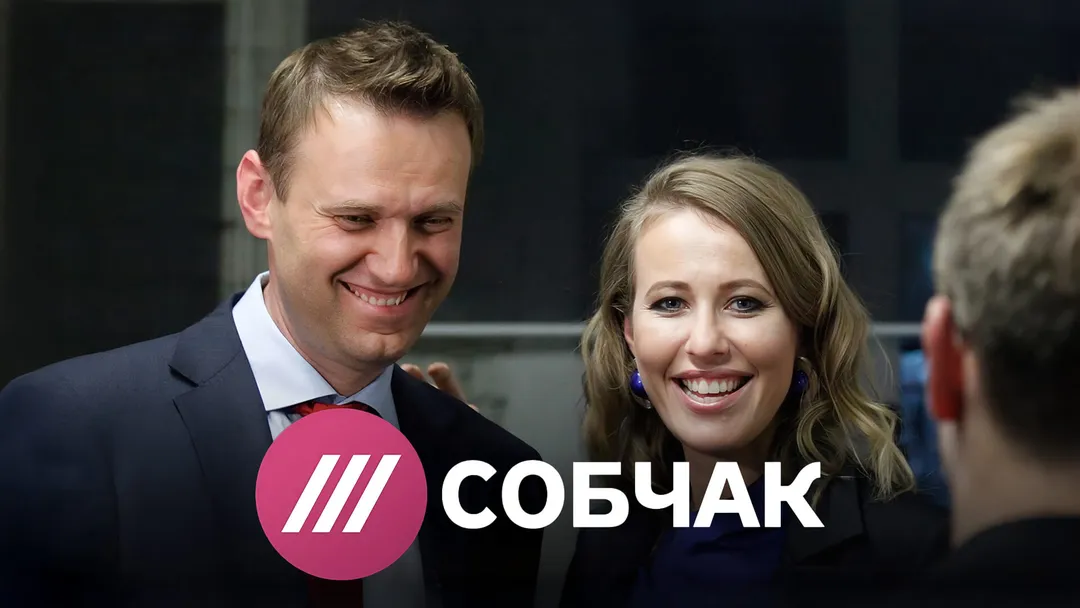
Alexei Navalny’s interview with Ksenia Sobchak on TV Rain
In the interview, Alexei Navalny explains his limited availability to the press by pointing to the demands of his election campaign, trips to the regions, and recovery after surgery, while emphasizing his campaign’s openness through press conferences and interviews. He rejects accusations of ties to
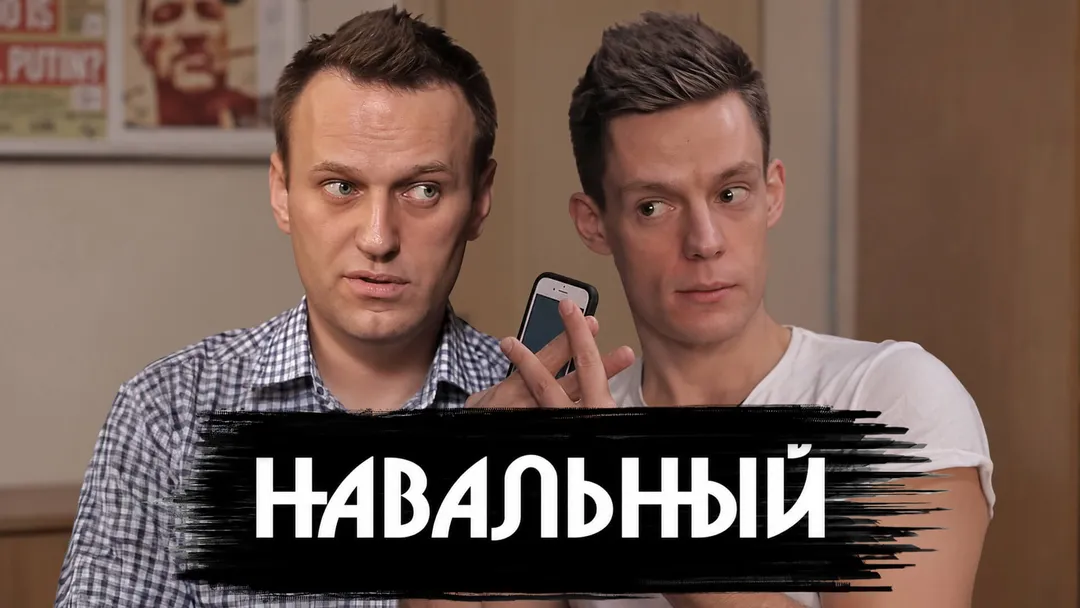
Navalny on Revolution, the Caucasus, and Spartak — an interview with Yuri Dud
“Navalny on Revolution, the Caucasus, and Spartak” is a major interview in which Alexei Navalny speaks with Yuri Dud. In the interview, Navalny talks not only about Putin, corruption, and protests, but also about the issues over which he has often been attacked: nationalism, the Caucasus, migration
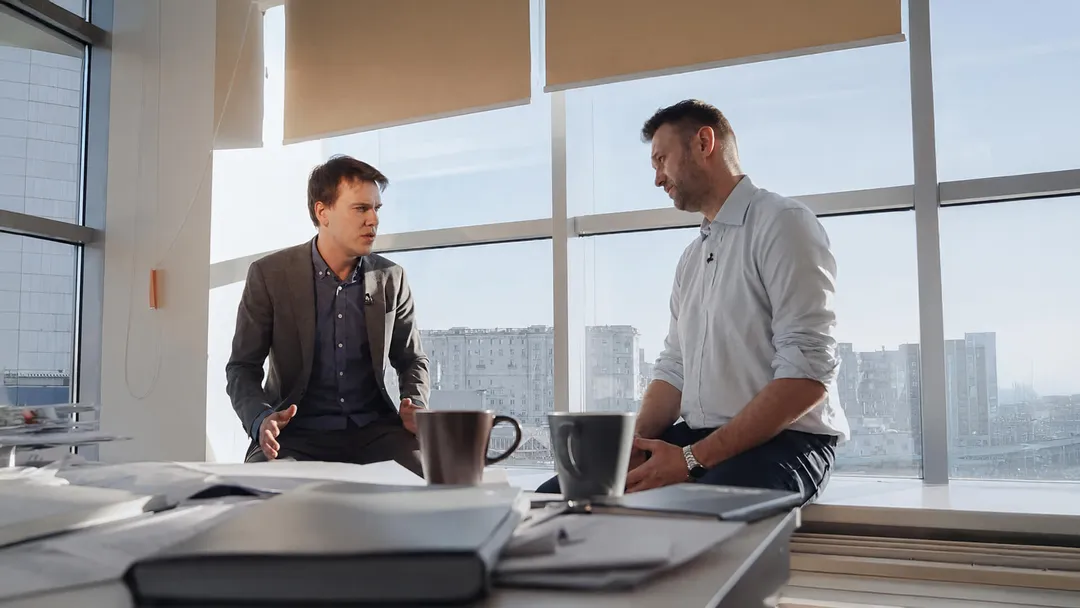
An interview with Mikhail Zygar about motivation, fears, and protests
Alexei Navalny’s interview with Mikhail Zygar is a conversation about why one should engage in politics when it can lead to persecution. At the heart of the interview is Navalny’s motivation: why he keeps working, how he views risk and fear, why he does not see protests as pointless, and why people
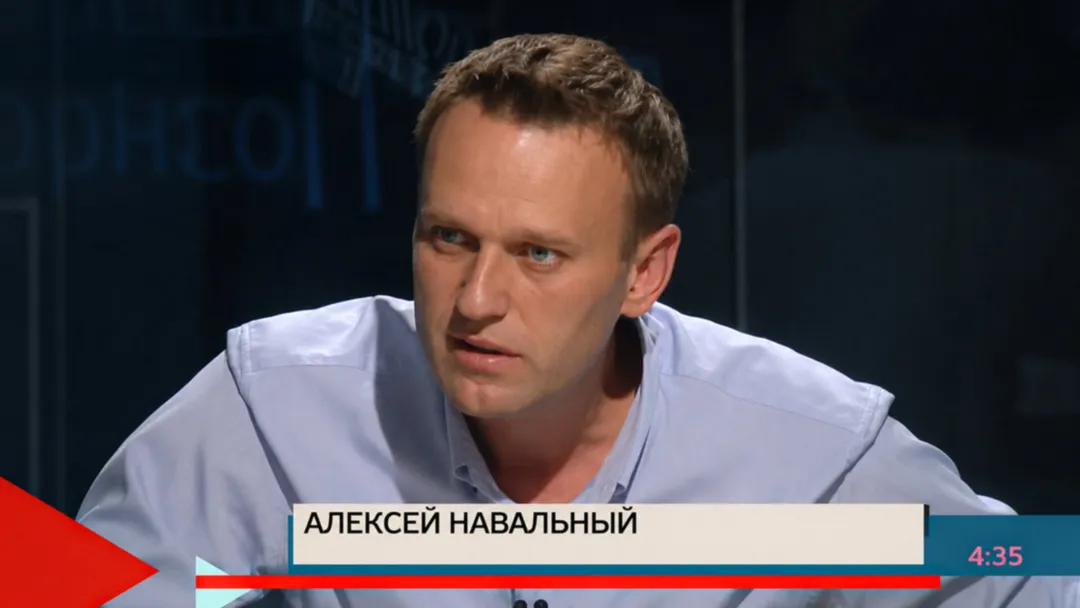
Alexei Navalny interviewed on "Parfyonov and Pozner" on TV Rain
Parfyonov, Navalny, Pozner is a conversation recorded in 2012 after the release of the film “The Term.” At the center of the discussion are the 2011–2012 protests, Russia’s political future, the role of television, censorship, and how public politics functions in a country where the federal TV chann
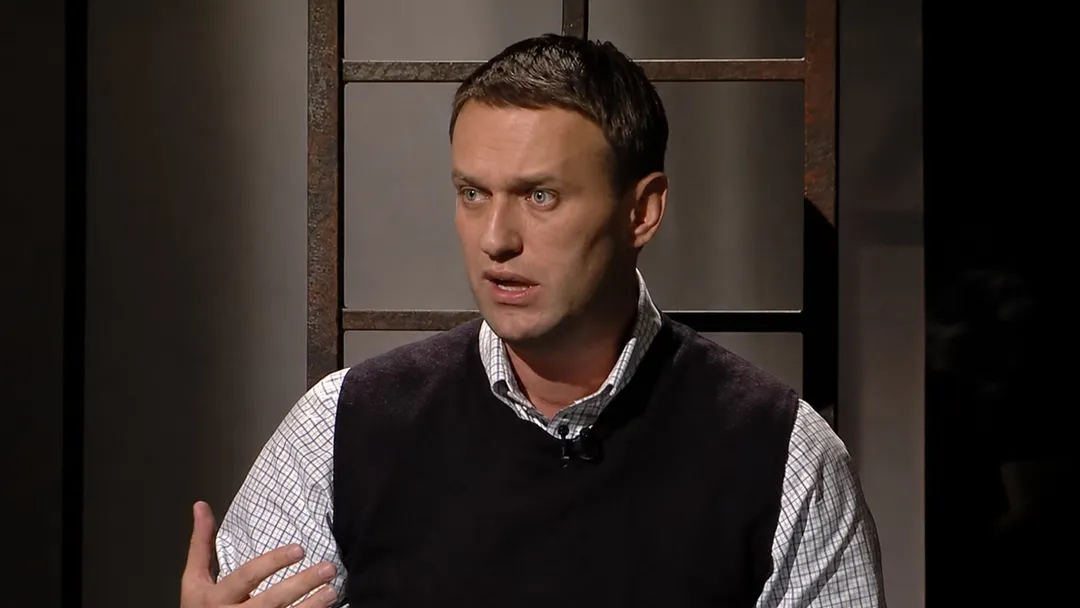
Alexei Navalny’s interview on the Hard Day's Night program on TV Rain
In late February 2012, just a few days before the presidential election, Alexei Navalny came to the TV Rain studio for the program Hard Day's Night. At the height of the “For Fair Elections” protest movement, he openly discusses the inevitable escalation of peaceful protest, his presidential ambitio
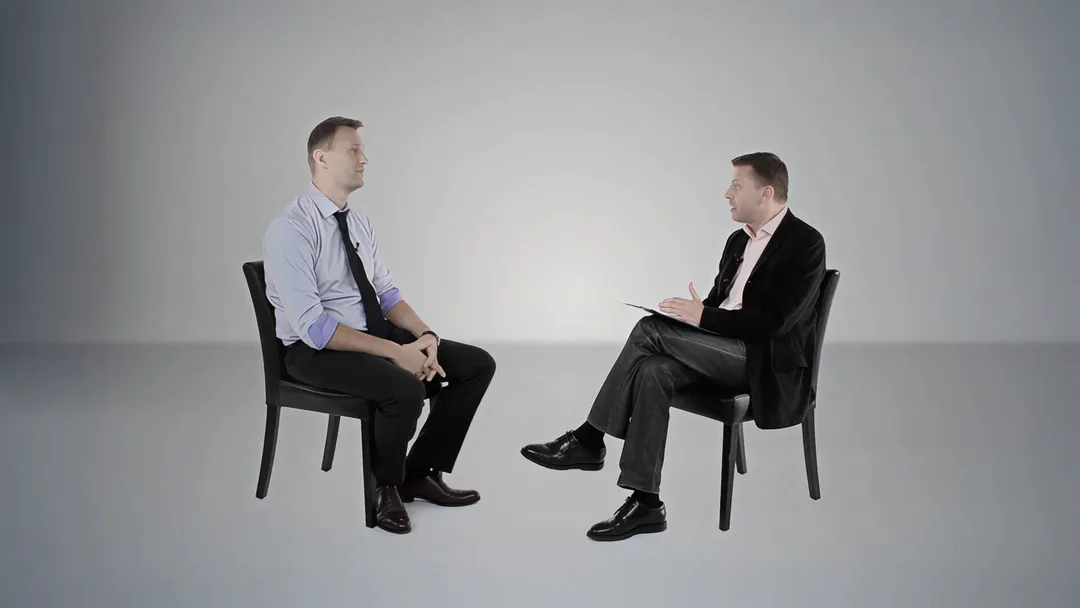
Alexei Navalny’s interview with Leonid Parfyonov on Kommersant FM
In this conversation, Alexei Navalny explains that his public and political activism is driven by his conviction that it is necessary to resist election fraud, corruption, and the monopolization of power. He also describes his anti-corruption work and how his projects are funded through public suppo
About Crooks and Thieves, Saffron Milk Caps and Shawarma, Black Grouse and Nationalism
“The Rules of Alexei Navalny’s Life” is a personal profile presented through a collection of short reflections on childhood, family, politics, fear, television, corruption, nationalism, religion, and everyday life.

I think power in Russia will not change hands as a result of elections.
In an interview with Yevgenia Albats, Alexei Navalny speaks about Russia’s political dynamics, arguing that a change of power in the country will not come through elections, but must emerge as a movement from below—through pressure from citizens and mass action.
Prison Diaries
The Russian opposition leader’s account of his last years and his admonition to his country and the world.

Program "Chronic Today: The Pre-Election Obstacle Course" from December 11, 2023
This archival December 2023 episode of "Chronic Today" takes us back to late 2017, when Alexei was barred from running in the presidential election. In an interview with Echo of Moscow (a now-shuttered independent Russian radio station), he explains in detail the strategy behind the "Voters' Strike"

Alexei Navalny: We must ask corrupt autocrats tough questions.
Corruption prevents us from addressing the most pressing political issues. It is high time to make the fight against it a matter of the highest national priority, writes imprisoned Russian opposition politician Alexei Navalny in this op-ed.

Alexei Navalny: “Corruption must be the main topic of international summits”
The Russian opposition figure and anti-corruption activist, who was the target of an attempted poisoning on August 20, 2020 and is now imprisoned, sets out five measures to combat the greed of leaders of autocratic regimes in an article for Le Monde, also published in the Frankfurter Allgemeine Zeit